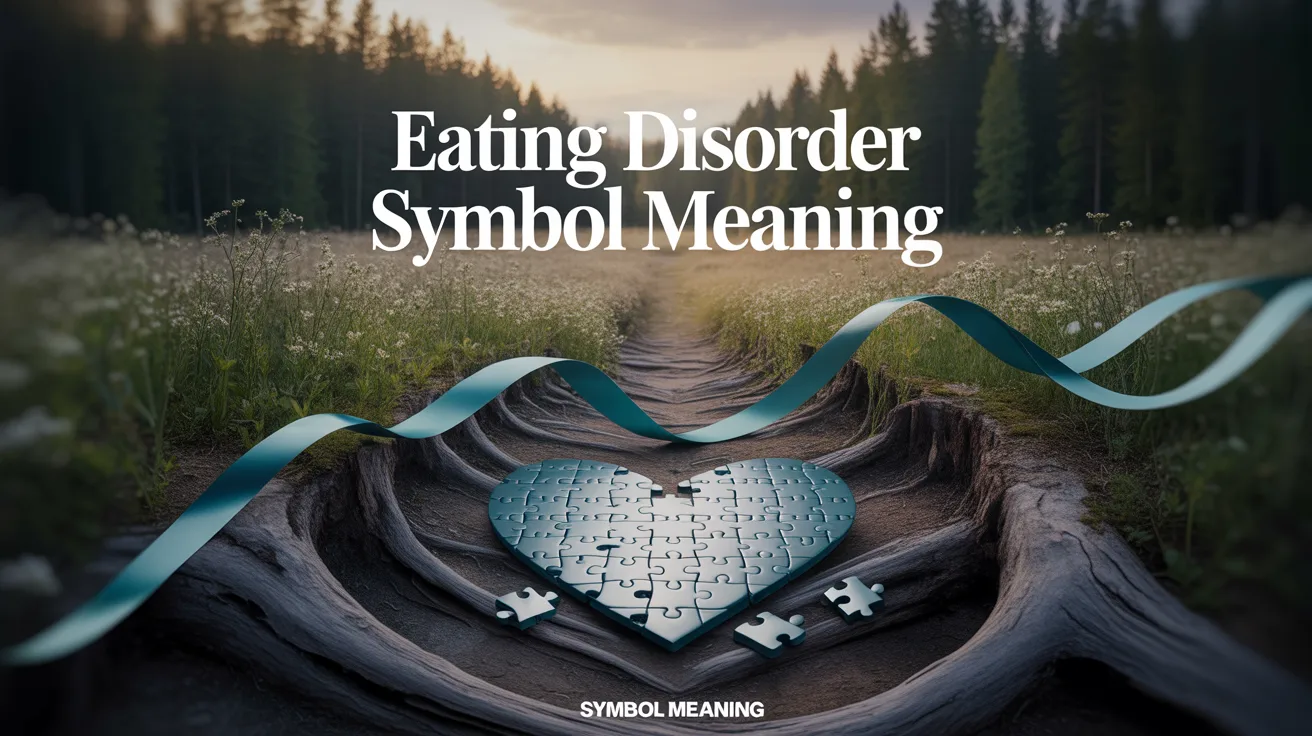
You’ve probably seen it before—a delicate symbol, often a small colored ribbon or a subtle design, shared on social media or worn quietly by someone. At first glance, it may seem simple. But behind it lies a powerful story.
The eating disorder symbol meaning goes far beyond awareness. It represents struggle, survival, healing, and hope. For many, it’s not just a symbol—it’s a voice for what they couldn’t say out loud.
Let’s explore what this symbol truly means, emotionally, spiritually, and in real life.
What Does Eating Disorder Symbol Mean?
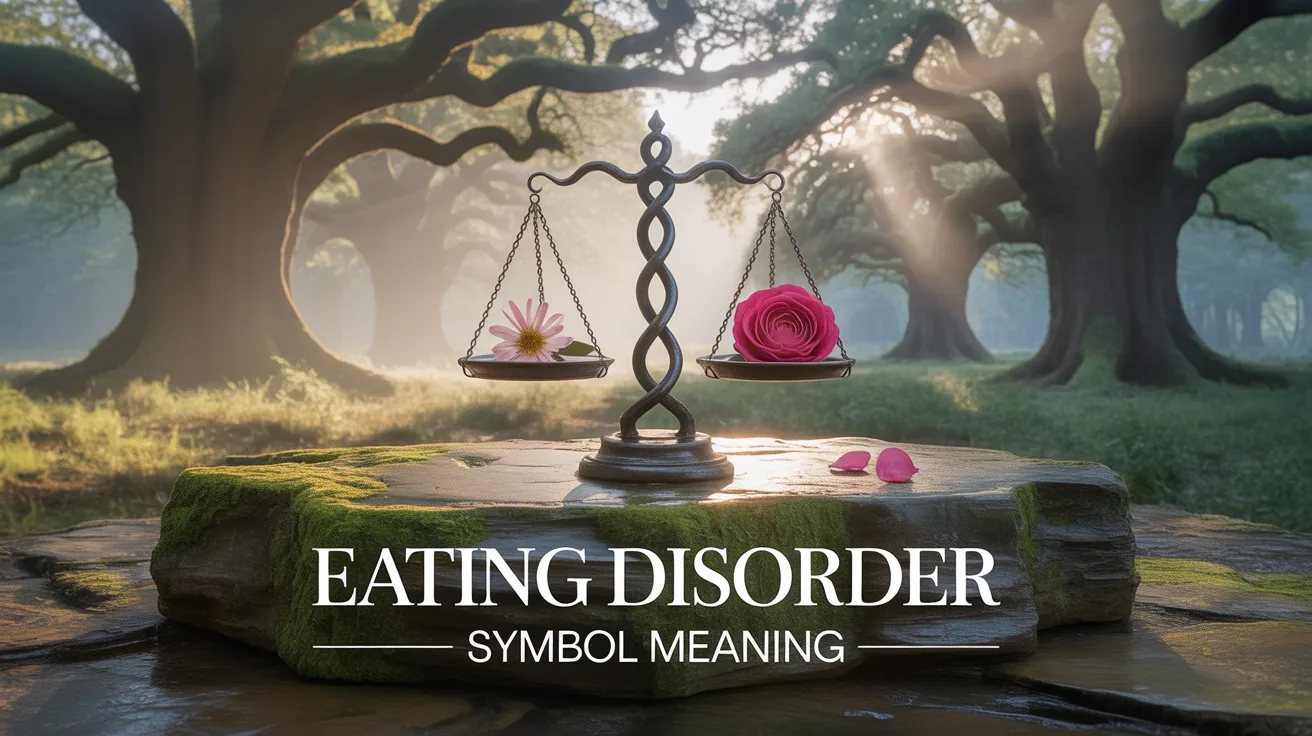
The eating disorder symbol, most commonly represented by the periwinkle ribbon, stands for:
- Awareness of eating disorders
- Support for those struggling
- Recovery and hope
- Breaking stigma and silence
It’s similar to how other awareness ribbons work, but this one carries a deeply personal and often hidden pain. Eating disorders are not always visible, and this symbol helps bring that invisible struggle into the light.
Deep Spiritual / Emotional Meaning
On a deeper level, the eating disorder symbol reflects:
- Inner conflict – a battle between control and chaos
- Desire for self-worth – seeking validation through appearance
- Healing journey – moving from self-destruction to self-love
Spiritually, it can symbolize a rebirth. Many people who recover describe it as reconnecting with their soul, rediscovering their identity beyond food and body image.
It’s not just about illness—it’s about transformation.
Meaning in Love
In relationships, this symbol carries a quiet message:
- “I need understanding, not judgment.”
- “Love me beyond my struggles.”
- “Be patient with my healing.”
For partners, it represents the importance of compassion, emotional safety, and support. Loving someone with an eating disorder isn’t about fixing them—it’s about walking beside them.
Symbolism Across Cultures
Western Culture
In many Western countries, the periwinkle ribbon is widely recognized as a sign of eating disorder awareness. It promotes open conversation and mental health advocacy.
Eastern Perspectives
In some Eastern cultures, eating disorders may not be openly discussed. Here, the symbol can represent breaking cultural silence and challenging societal expectations around body image.
Online / Global Culture
On social media, the symbol has become a quiet signal of solidarity. It connects people worldwide who share similar struggles, creating a sense of belonging.
Emotional & Psychological Meaning
Psychologically, this symbol reflects:
- Control vs. vulnerability
- Perfectionism
- Hidden pain
- Need for acceptance
It’s often linked to deeper emotional wounds—trauma, anxiety, or low self-esteem. The symbol becomes a way to say, “I’m struggling,” without needing to explain everything.
What It Means If You Keep Seeing It
If you keep noticing the eating disorder symbol, it might be a sign to:
- Pay attention to your relationship with food and body image
- Check in with your emotional well-being
- Be more compassionate toward yourself or others
Sometimes, it’s a gentle reminder: healing is possible, and you’re not alone.
Dream Meaning
Dreams involving this symbol can be powerful.
- Seeing the ribbon: Awareness of hidden emotional struggles
- Wearing it: Accepting your truth or beginning healing
- Giving it to someone: Wanting to support or protect someone
- Losing it: Fear of losing control or identity
Dreams often reflect what we suppress during the day.
Personal Insight Section
Here’s something most articles don’t talk about:
Many people don’t connect with the symbol right away.
At first, it may feel distant—or even uncomfortable. That’s because eating disorders often come with denial. Accepting the symbol can feel like admitting something you’re not ready to face.
But over time, for many, it becomes a badge of survival.
Not weakness. Not shame. Survival.
What To Do / Practical Steps

If this topic resonates with you, here are some real steps you can take:
- Talk to someone you trust – silence makes it heavier
- Avoid triggering content – protect your mental space
- Seek professional help – therapy can change everything
- Practice self-compassion – healing isn’t linear
- Focus on nourishment, not punishment
Small steps matter more than perfect ones.
Real-Life Example
A girl named Sara (name changed) struggled with an eating disorder for years. She hid it well—good grades, social life, everything looked fine.
One day, she saw the periwinkle ribbon online. At first, she ignored it.
But it kept showing up.
Eventually, she clicked on a post. Then another. She realized—this wasn’t just a symbol. It was her story.
That moment didn’t fix everything. But it was the beginning.
She reached out for help a week later.
Today, she still wears that symbol—not as a reminder of pain, but of how far she’s come.
FAQs
What color represents eating disorder awareness?
The periwinkle (light purple-blue) ribbon represents eating disorder awareness.
Is the eating disorder symbol only for people struggling?
No. It’s also for supporters, advocates, and anyone spreading awareness.
Why is the symbol important?
It helps break stigma and encourages open conversations about mental health.
Can wearing the symbol help someone?
Yes. It can create connection, support, and a sense of not being alone.
Does the symbol mean recovery?
Not always—but it often represents hope and the journey toward healing.
Final Thoughts
The eating disorder symbol meaning is not just about awareness—it’s about truth, courage, and healing.
It represents battles people fight silently every day. But more importantly, it represents something stronger:
The possibility of recovery.
If you see this symbol, don’t just scroll past it. Pause. Feel it. Understand it.
Because behind it, there’s always a story.
Call To Action
Have you ever seen this symbol before and wondered what it meant?
Or maybe it connects to your own journey?
Take a moment—what does it mean to you?
Discover More Post
Double Happiness Symbol Meaning A Powerful Sign of Love …
Egyptian Eagle Symbol Meaning Power Protection & Divine …
Hammer and Wrench Symbol Meaning Hidden Messages of …
