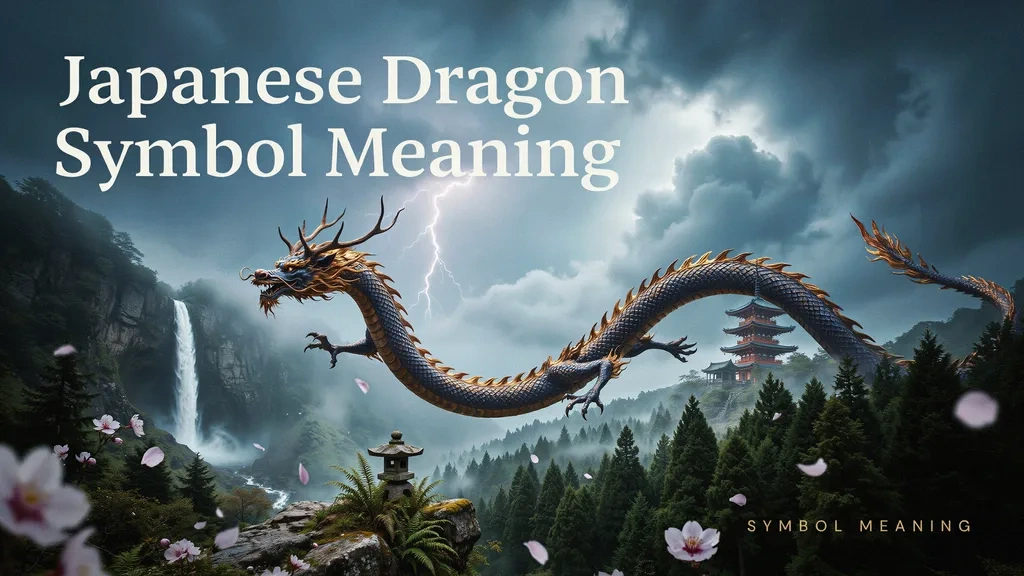
Few mythical creatures capture the imagination quite like the Japanese dragon. Unlike the fierce, destructive dragons often seen in Western stories, Japanese dragons are deeply respected symbols of wisdom, protection, good fortune, and spiritual power.
If you’ve ever seen a Japanese dragon tattoo, artwork, shrine decoration, or traditional painting, you may have wondered what this majestic creature truly represents. The answer goes far beyond mythology. For centuries, the Japanese dragon has served as a powerful reminder of inner strength, balance, transformation, and the connection between humanity and nature.
Let’s explore the fascinating meaning behind one of Japan’s most iconic symbols.
What Does the Japanese Dragon Symbol Mean?
The Japanese dragon symbolizes wisdom, strength, protection, prosperity, good luck, and spiritual power.
Traditionally known as “Ryū” or “Tatsu” in Japanese culture, dragons are considered divine beings rather than monsters. They are often associated with water, rainfall, rivers, oceans, and the natural forces that sustain life.
In simple terms, the Japanese dragon represents:
- Wisdom and intelligence
- Protection from harm
- Courage and resilience
- Good fortune and prosperity
- Spiritual growth
- Balance between power and compassion
- Harmony with nature
Unlike many mythical creatures, Japanese dragons are admired because they use their immense power responsibly.
Deep Spiritual and Emotional Meaning
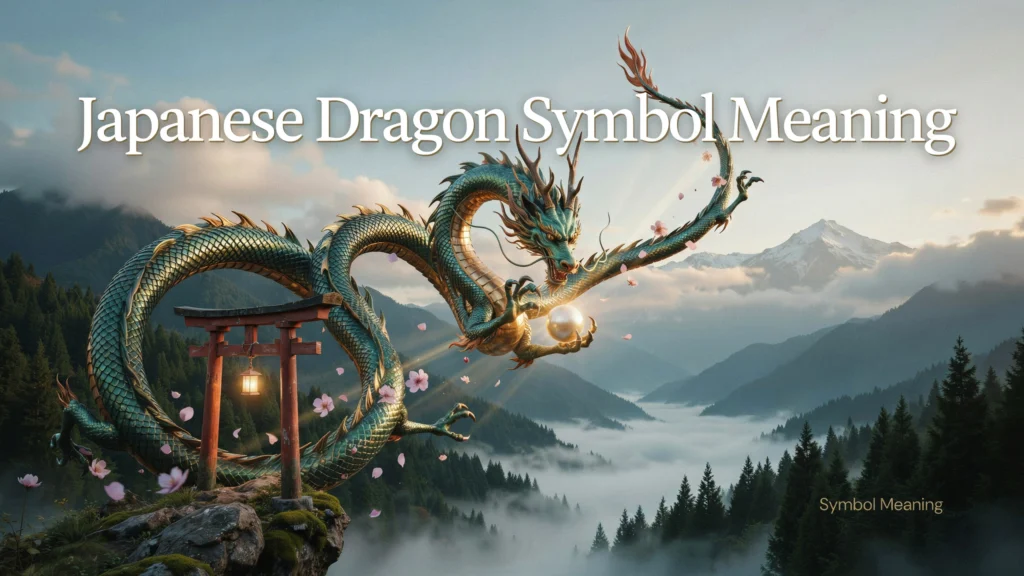
On a spiritual level, the Japanese dragon represents mastery over life’s challenges.
It symbolizes a person who has learned to channel strength without becoming controlled by anger or ego. This balance is one reason the dragon remains such a respected figure in Japanese spirituality.
Many people view the dragon as a guide through personal transformation. Just as rivers flow around obstacles, the dragon teaches adaptability, wisdom, and persistence.
Spiritually, the Japanese dragon may symbolize:
- Awakening inner power
- Overcoming adversity
- Personal transformation
- Divine protection
- Connection to higher wisdom
- Spiritual awakening
Its presence often reminds people that true strength comes from self-control rather than domination.
Meaning in Love
In relationships, the Japanese dragon symbolizes loyalty, protection, and deep commitment.
A dragon’s energy in love is not about controlling a partner. Instead, it reflects devotion, support, and the willingness to protect what matters most.
The dragon can represent:
- Strong emotional bonds
- Faithfulness
- Mutual respect
- Protective love
- Emotional maturity
- Long-term commitment
For couples, the symbol often serves as a reminder that healthy relationships require both strength and wisdom.
Symbolism Across Cultures
Although the Japanese dragon has unique meanings, dragon symbolism appears across many cultures.
Japanese Culture
In Japan, dragons are revered as powerful spiritual guardians connected to water and natural balance. They are often viewed as bringers of rain, prosperity, and protection.
Chinese Culture
The dragon is one of the most important symbols in Chinese tradition. It represents imperial power, wisdom, success, abundance, and good fortune.
Japanese dragon symbolism was heavily influenced by ancient Chinese beliefs but developed its own unique spiritual identity.
Korean Culture
In Korea, dragons are seen as noble and benevolent creatures associated with wisdom, leadership, and protection. They are often connected to kings, rivers, and heavenly blessings.
Despite cultural differences, all three traditions view dragons as positive forces rather than evil beings.
Emotional and Psychological Meaning
Psychologically, the Japanese dragon represents personal empowerment.
People are often drawn to dragon imagery during periods of growth, challenge, or self-discovery. The symbol can reflect an inner desire to become stronger, wiser, and more confident.
Emotionally, the dragon may represent:
- Self-belief
- Confidence
- Emotional resilience
- Leadership qualities
- Determination
- Courage during difficult times
Many individuals feel connected to the dragon because it embodies the balance between strength and wisdom—a balance many strive to achieve in everyday life.
What It Means If You Keep Seeing a Japanese Dragon
Repeatedly encountering Japanese dragon imagery may feel meaningful, especially during important life transitions.
Many spiritual traditions suggest this could symbolize:
- A period of personal transformation
- Hidden strengths emerging
- Protection during uncertain times
- A call to trust your intuition
- Growth through challenges
- Greater spiritual awareness
Whether viewed spiritually or psychologically, seeing dragon symbols repeatedly often encourages self-confidence and perseverance.
Dream Meaning
Dreams involving Japanese dragons can carry powerful symbolic messages.
Seeing a Peaceful Dragon
This often represents wisdom, guidance, protection, and personal growth.
Flying with a Dragon
This may symbolize freedom, ambition, and rising above limitations.
Being Chased by a Dragon
Such dreams can indicate unresolved fears or challenges that need attention.
Fighting a Dragon
This may reflect an internal struggle involving confidence, power, or personal transformation.
Talking to a Dragon
This often symbolizes receiving wisdom from your subconscious mind or discovering deeper truths about yourself.
The emotional atmosphere of the dream usually provides important clues about its meaning.
Personal Insight Section
One fascinating aspect of the Japanese dragon symbol is how differently people connect with it throughout their lives.
When we’re young, dragons often represent adventure and excitement. As we grow older, the symbol tends to take on deeper meaning. Many people begin to see the dragon as a reflection of their own journey—facing obstacles, learning difficult lessons, and becoming stronger through experience.
What makes the Japanese dragon unique is that it doesn’t glorify raw power. Instead, it celebrates wise power.
That distinction resonates deeply with many people because life’s greatest victories rarely come from force alone. They come from patience, wisdom, adaptability, and resilience.
In many ways, the dragon becomes a mirror of human growth itself.
What To Do If the Japanese Dragon Symbol Resonates With You
If you feel strongly connected to the Japanese dragon, consider using its symbolism as a tool for personal growth.
Practical steps include:
- Reflect on areas where you need greater confidence.
- Practice self-discipline and emotional balance.
- Embrace challenges as opportunities for growth.
- Spend time in nature to cultivate harmony and perspective.
- Keep a journal about your personal transformation journey.
- Focus on developing wisdom alongside ambition.
The dragon’s lesson is simple: strength becomes most powerful when guided by wisdom.
Real-Life Example
Imagine someone starting a new business after years of self-doubt.
The journey is filled with uncertainty, setbacks, and moments of fear. During this period, they become drawn to Japanese dragon artwork and begin learning about its symbolism.
What resonates most is the idea of facing obstacles with courage while remaining adaptable and wise.
Instead of giving up after early failures, they continue learning, adjusting, and growing. Over time, the dragon becomes a personal symbol of perseverance.
The artwork itself doesn’t create success. But the mindset it inspires helps them navigate challenges with greater confidence and resilience.
This is how symbols often work in real life—they remind us of qualities we already possess but sometimes forget to trust.
FAQs
Is the Japanese dragon a good luck symbol?
Yes. Japanese dragons are widely associated with good fortune, prosperity, protection, and positive energy.
What does a Japanese dragon tattoo symbolize?
A Japanese dragon tattoo commonly represents strength, wisdom, courage, protection, and personal transformation.
Are Japanese dragons considered evil?
No. Unlike many Western dragon traditions, Japanese dragons are generally viewed as benevolent and protective beings.
What element is associated with Japanese dragons?
Japanese dragons are most commonly connected to water, including oceans, rivers, lakes, rainfall, and storms.
Why are people attracted to dragon symbolism?
Many people relate to the dragon’s representation of resilience, personal growth, wisdom, and inner strength.
Final Thoughts
The Japanese dragon is far more than a mythical creature. It is a timeless symbol of wisdom, courage, protection, and transformation.
Its enduring popularity comes from its ability to speak to something deeply human—the desire to grow stronger without losing compassion, to overcome obstacles without losing balance, and to embrace power while remaining wise.
Whether encountered in art, dreams, tattoos, or spiritual practices, the Japanese dragon continues to inspire people to rise above challenges and discover the strength that already exists within them.
Call To Action
Have you ever felt a special connection to the Japanese dragon symbol? Take a moment to reflect on what part of its meaning speaks most strongly to your current life journey—strength, wisdom, protection, or transformation?
Discover More Post
Broken Arrow Symbol Meaning A Powerful Sign of Peace …
Safety Symbol Meaning Hidden Messages That Protect Warn …
Clover Meaning Symbol Luck Hope Love and Spiritual Growth …